
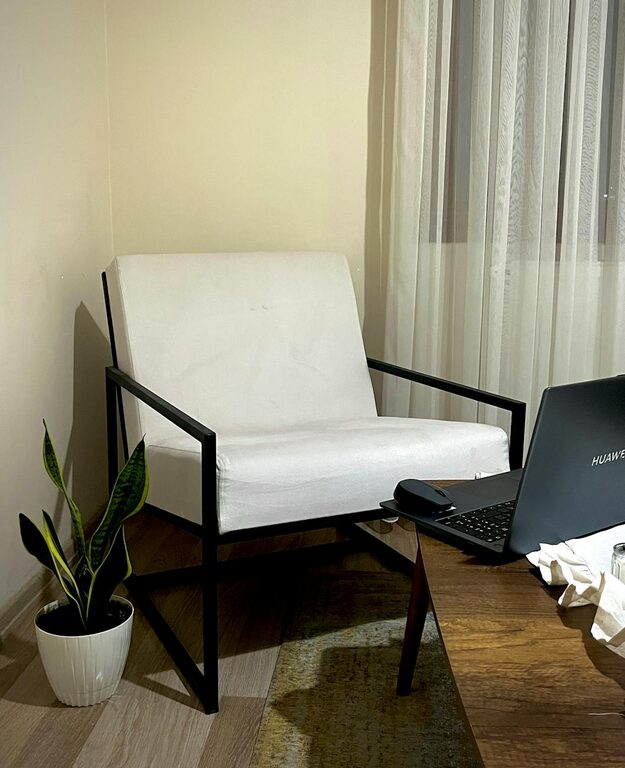
Creating a relaxing home workspace is essential for maintaining focus, reducing stress, and enhancing productivity. Whether you work remotely, study, or manage personal projects, your workspace can greatly influence how you feel and perform throughout the day. In this post, we’ll explore practical steps to transform any area in your home into a calming, efficient workspace.
Why a Relaxing Workspace Matters
A stressful or cluttered environment can drain your energy and make it difficult to concentrate. On the other hand, a peaceful workspace encourages a clear mind and helps you stay motivated. Designing your workspace with comfort and calm in mind can improve your well-being and work quality.
Step 1: Choose the Right Location
Find a Quiet Spot
Select a space in your home that is away from heavy foot traffic and distractions. A quiet corner or a spare room makes an ideal home office.
Consider Natural Light
Natural light has positive effects on mood and alertness. Try to position your desk near a window to benefit from daylight while avoiding harsh glare on screens.
Step 2: Declutter and Organize
Keep Only What You Need
Clear your desk of unnecessary items. Keep essential tools like your computer, notebooks, and pens within arm’s reach.
Use Storage Solutions
Invest in shelves, drawers, or organizers to store supplies and paperwork neatly. This prevents clutter build-up and keeps your space tidy.
Digital Declutter
Organize your computer files and limit digital distractions by closing unused tabs and turning off non-essential notifications.
Step 3: Choose Comfortable and Functional Furniture
Ergonomic Chair and Desk
A supportive chair and a desk at the right height can prevent discomfort and fatigue. Ergonomic furniture promotes better posture and helps you work longer without strain.
Personalize Your Space
Add elements that make you feel relaxed and happy, like a favorite cushion, a cozy blanket, or a small indoor plant.
Step 4: Incorporate Soothing Elements
Use Calming Colors
Soft tones such as blues, greens, or neutrals can create a peaceful atmosphere. Consider repainting walls or adding accessories in these colors.
Add Greenery
Plants improve air quality and bring a touch of nature indoors, which can be calming and refreshing during work hours.
Choose Soft Lighting
Avoid harsh overhead lighting by adding desk lamps or floor lamps with warm bulbs. Adjustable lighting can help reduce eye strain and create a cozy ambiance.
Step 5: Manage Noise and Distractions
Use Noise-Canceling Tools
Headphones, white noise machines, or ambient music can block distracting sounds from outside your workspace.
Set Boundaries
If you share your home, communicate your work hours and space boundaries to minimize interruptions.
Step 6: Make Time for Breaks and Movement
Schedule Regular Breaks
Taking short breaks improves concentration and reduces fatigue. Use timers or apps to remind yourself to stand up, stretch, or walk around.
Create a Relaxation Spot
If space allows, include a comfortable chair or cushion nearby where you can briefly step away and relax your mind.
Final Tips for Sustaining a Relaxing Workspace
– Keep it Clean: Regularly tidy your workspace to maintain a clutter-free environment.
– Adjust as Needed: Don’t hesitate to rearrange or refresh your space to keep it inspiring.
– Balance Work and Personal Life: Use your workspace exclusively for work to help mentally separate your professional time from personal time.
—
By following these steps, you can create a home workspace that feels inviting and calming, helping you stay focused and productive. Remember, a relaxing workspace reflects your personal style and needs, so make it uniquely yours!