
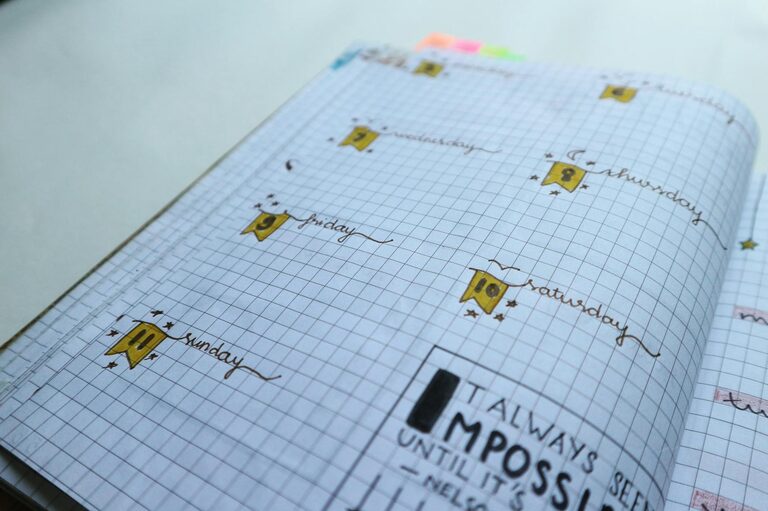
Bullet journaling is a fun and flexible way to organize your tasks, goals, and ideas all in one place. If you’ve been looking for a creative way to boost your productivity and keep track of your daily life, a bullet journal might be just what you need. In this beginner guide, we’ll walk you through everything you need to get started, from understanding the basics to setting up your first pages.
What Is Bullet Journaling?
Bullet journaling, often called “BuJo,” is a system that combines a planner, diary, and to-do list into one notebook. It was created by Ryder Carroll as a simple method to help people track the past, organize the present, and plan for the future. Unlike traditional planners, a bullet journal is completely customizable, allowing you to design it to fit your specific needs.
At its core, bullet journaling uses short-form notes—bullets—to mark tasks, events, or ideas. With symbols and collections (pages on specific topics), it helps keep information clear and easy to find.
Why Start a Bullet Journal?
– Customization: You control what your journal looks like, from colors to layouts.
– Flexibility: Add or remove pages based on your needs.
– Creativity: It’s a great outlet if you enjoy doodling, hand lettering, or scrapbooking.
– Mindfulness: Writing things down can improve focus and reduce stress.
– Tracking: Helps manage habits, goals, appointments, and more.
Even if you’re not artistic, bullet journaling can be simple and effective.
Supplies You’ll Need
One of the best parts about bullet journaling is you don’t need fancy tools. Here’s a basic list to get you started:
– Notebook: Dot grid notebooks are popular because the dots provide subtle guidance without overwhelming lines, but lined or blank notebooks work too.
– Pen: Choose a pen you enjoy writing with. Many prefer fine liners or gel pens.
– Ruler: Helps keep lines neat if you want structured pages.
– Optional: Colored pens, markers, stickers, and washi tape if you want to decorate.
Start simple and upgrade as you discover what you like.
Key Components of a Bullet Journal
1. Index
Your index is like a table of contents. It helps you locate important pages quickly. Set aside the first two pages and list your collections and their page numbers. Update this as you add new sections.
2. Future Log
Use this section to record appointments, events, or goals coming up in the next few months. It gives a big-picture view of your schedule.
3. Monthly Log
This typically contains a calendar view or list of days and key tasks/events for the month. It helps you set monthly goals and deadlines.
4. Daily Log
Daily logs are where you write your tasks, appointments, and notes for each day. Each entry usually starts with a bullet symbol denoting a task, event, or note:
– Tasks: Represented with a dot (•).
– Events: Indicated by a circle (O).
– Notes: Marked by a dash (–).
You can customize these symbols as you wish.
5. Collections
Collections are pages focused on specific topics, like habit trackers, reading lists, meal plans, or project ideas. These pages help you organize special interests or recurring themes.
How to Set Up Your First Bullet Journal
- **Choose Your Notebook:** Pick one that feels comfortable to write in.
- **Draw the Index:** Reserve two pages at the beginning for your table of contents.
- **Create Future Log:** Divide two or four pages into sections for upcoming months.
- **Add Monthly Log:** Write a calendar or list of days for the current month with space for tasks.
- **Set Up Daily Logs:** Start your daily entries with date headings and add bullets as you go.
- **Start Collections:** Add extra pages for any trackers or lists you want to maintain.
Remember, your setup can evolve. There’s no “right way” to bullet journal.
Tips for Successful Bullet Journaling
– Keep it Simple: Don’t overcomplicate your spreads at first; you can add flair later.
– Be Consistent: Try to update your journal daily or weekly to stay organized.
– Use Symbols: Develop a set of symbols that work for you and use them consistently.
– Review Regularly: Weekly or monthly reviews help you reflect and plan better.
– Allow Flexibility: If a layout or method isn’t working, change it.
Creative Ideas to Personalize Your Journal
– Color Coding: Use different colors for categories like work, personal, or fitness.
– Habit Trackers: Charts to track daily habits such as water intake, exercise, or reading.
– Mood Trackers: Track your emotions with symbols or colors.
– Quotes and Doodles: Add motivational quotes or simple drawings for inspiration.
– Stickers and Washi Tape: These add visual interest with minimal effort.
Common Mistakes Beginners Make
– Trying to make every page perfect or artistic can be overwhelming.
– Overloading daily tasks leads to frustration.
– Not using the index can make it hard to find information.
– Ignoring the review process, which reduces effectiveness.
– Buying expensive supplies before figuring out your style.
Keep it simple, and remember that your bullet journal is a tool to help you, not a source of stress.
Final Thoughts
Starting a bullet journal is an empowering way to take control of your time and ideas. Whether you want a minimalist planner or an artistic diary, the system adapts to you. Grab a notebook, pick up a pen, and experiment — your ideal bullet journal is waiting to be created.
Helpful Resources
– Ryder Carroll’s official bullet journal website
– Online video tutorials for page layout inspiration
– Social media groups and communities for sharing ideas
With a bit of practice, your bullet journal will become a trusted companion in organizing your life both efficiently and creatively. Happy journaling!